Side Dishes · Est. net carbs: ~1g per 1/4 cup (estimate) · Makes: About 2 1/2 cups
Low-Carb Turkey Gravy (One Spoon of Roux Does It)
Real gravy — pan drippings, stock, and a single tablespoon of flour worked into butter for the whole pot. That's about a gram a serving, and nobody at the table will know anything happened. Plus the zero-flour version, honestly labeled.
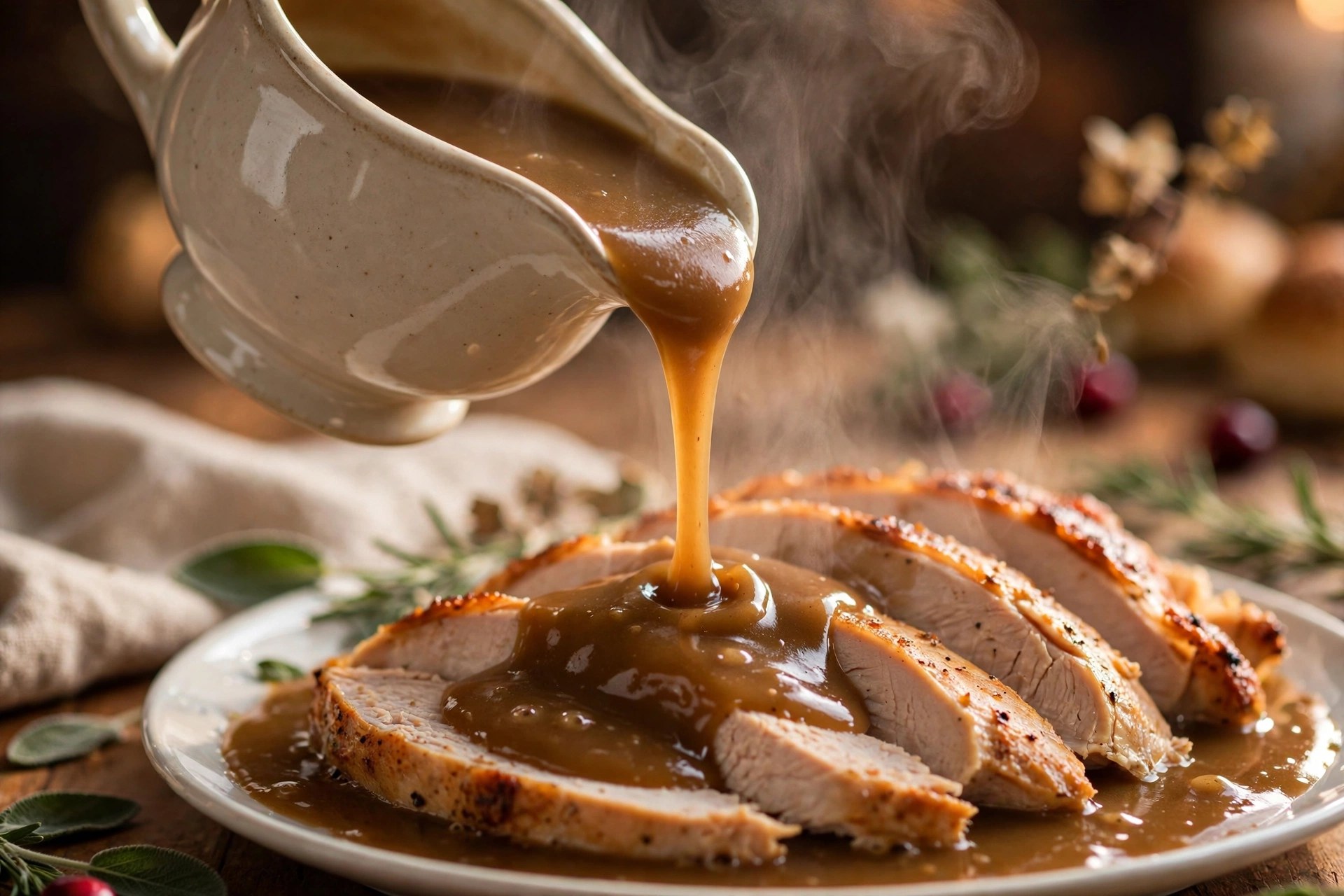
Image: AI-generated. LoCarb recipe pages use AI product images — see the note at the bottom of this page.
What you're saving: the regular version of this dish runs about ~3-4g per 1/4 cup. This version: ~1g per 1/4 cup (estimate). Both figures are estimates — ours from the ingredients' published data, the classic's from standard label and reference values for the traditional dish.
Ingredients
- Pan drippings from the roast turkey (fat and juices)
- 2 cups turkey or chicken stock (plus more to adjust)
- 1 Tbsp butter
- 1 Tbsp all-purpose flour (the whole pot's worth — see the tradeoff box)
- The turkey neck and giblets, if you simmered them (optional, old-school, worth it)
- Salt and black pepper to taste
- 1 tsp soy sauce or a splash of Worcestershire (optional — color and depth, nobody identifies it)
How to make it
Gravy is where low-carb Thanksgiving usually waves the white flag — out comes the xanthan gum, and the gravy turns into something with the texture of a science project. It doesn’t have to go that way, because gravy’s carb problem was never the idea of a roux. It’s the amount of roux. A quarter cup of flour builds gravy for a restaurant; a home pot needs a spoon. One tablespoon, cooked properly in butter, thickens two and a half cups of drippings and stock into gravy that coats a spoon and fools a table — for about half a gram of carbs a serving. That’s not a substitute. That’s just the recipe, measured by someone paying attention.
- Simmer the giblets (optional, start during the roast). Cover the neck and giblets (not the liver — it turns stock bitter; cook that separately for the cook’s treat) with the stock in a small pot, plus a little water if needed. Simmer gently while the turkey roasts. Strain; this is your gravy stock, and it’s already halfway to tasting like something.
- Collect the drippings. When the turkey comes out to rest, pour the pan juices through a strainer into a measuring cup or fat separator. Let the fat rise for a few minutes, then pour off and reserve 2 Tbsp of the fat (or use the butter from the ingredient list) and all of the dark juices. The juices are the flavor; the fat is the vehicle.
- Make the small roux. In a saucepan over medium heat, melt the reserved fat or butter, whisk in the flour, and cook, whisking, for a full 2 minutes — it should turn the color of peanut butter and smell nutty, not raw. This cooking step is what keeps one spoon of flour from tasting like one spoon of flour.
- Build the gravy. Whisk in the juices first, then the stock a splash at a time, whisking out lumps as you go. Once it’s all in, bring to a gentle boil and simmer 3–5 minutes until it coats the back of a spoon and a finger drawn through it leaves a line.
- Season like you mean it. Salt and pepper — then taste again, because drippings vary and this is the moment that decides it. The soy or Worcestershire goes in now if you’re using it: depth and color that nobody can name.
- Adjust at the table’s request. Too thick → whisk in stock a spoon at a time. Too thin → simmer two more minutes; it tightens as it sits, and it tightens again in the gravy boat.
The zero-flour version: skip steps 3’s flour — bring the juices and stock to a simmer and sprinkle 1/4 tsp xanthan gum over the surface a tiny pinch at a time, whisking hard between pinches (dumped in at once, it clumps into gel beads that never dissolve). Simmer 2 minutes. Honest label: the body is close, the mouthfeel is a half-step slicker, and the margin for error is thin. It exists for the strictest plates at the table.
Make ahead: gravy reheats beautifully — make it while the bird roasts, hold it warm, and whisk in a splash of stock as it goes back over the heat. It also freezes for a month; thaw, reheat gently, whisk.
Troubleshooting: lumpy → it can always be strained or hit with an immersion blender; no one will ever know. Greasy → the fat wasn’t separated enough; skim the surface with a spoon or blot with a paper towel laid flat for two seconds. Bland → it isn’t the thickener, it’s salt and concentration: reduce it a few minutes and re-salt. Pale → the roux needed its full two minutes, or add the soy splash without shame.
The honest trade-off
The way I do it
One tablespoon of flour, cooked in butter, for two and a half cups of gravy. A classic recipe uses a quarter cup or more. At one tablespoon, the flour costs the whole pot about 6 grams of carbs — roughly half a gram per quarter-cup serving — and buys real roux body: the silky, coats-the-spoon texture that gums and starches imitate badly at five times the fuss.
Even lower carb
Skip the flour entirely and whisk in 1/4 tsp xanthan gum, sprinkled over the surface of the simmering stock a pinch at a time. Zero added carbs — but go past about 1/2 tsp and the texture turns slick and strange. The flour version is the one that tastes like Thanksgiving; this is the one that's technically zero.
What it costs: About a gram a serving against a classic gravy's 3-4g — most of which came from a roux built like the cook was afraid of the gravy. She wasn't wrong to be careful. She just used four spoons where one does it.
Nutrition estimate
Estimated net carbs: ~1g per 1/4 cup (estimate). That's an estimate built from the ingredient manufacturers' published data — not a lab-tested nutrition panel.
Made with the LoCarb mix? When the mixes launch, they'll be right here.
Nutrition note: carb figures on this page are estimates derived from data published by the manufacturers of the ingredients used. Brands and substitutions change the numbers — check your own ingredients and do your own research for exact counts.
Image note: the recipe images on this site are AI-generated product images, created to show you the dish — they are not photographs of a finished plate. Every recipe here is a real formulation from our test kitchen notes; when we publish photos from an actual test cook, they'll be labeled as such.