Meats · Est. net carbs: ~0g (turkey is turkey) · Makes: 1 turkey, 12-14 lb (about 10-12 servings)
Herb-Butter Roast Turkey (Dry-Brined, Never Dry)
Turkey is the one thing on the Thanksgiving table that was always low-carb — the job here is making it taste like it. A 24-hour dry brine, herb butter under the skin, honest temperatures, and a real rest. Zero carbs, all technique.
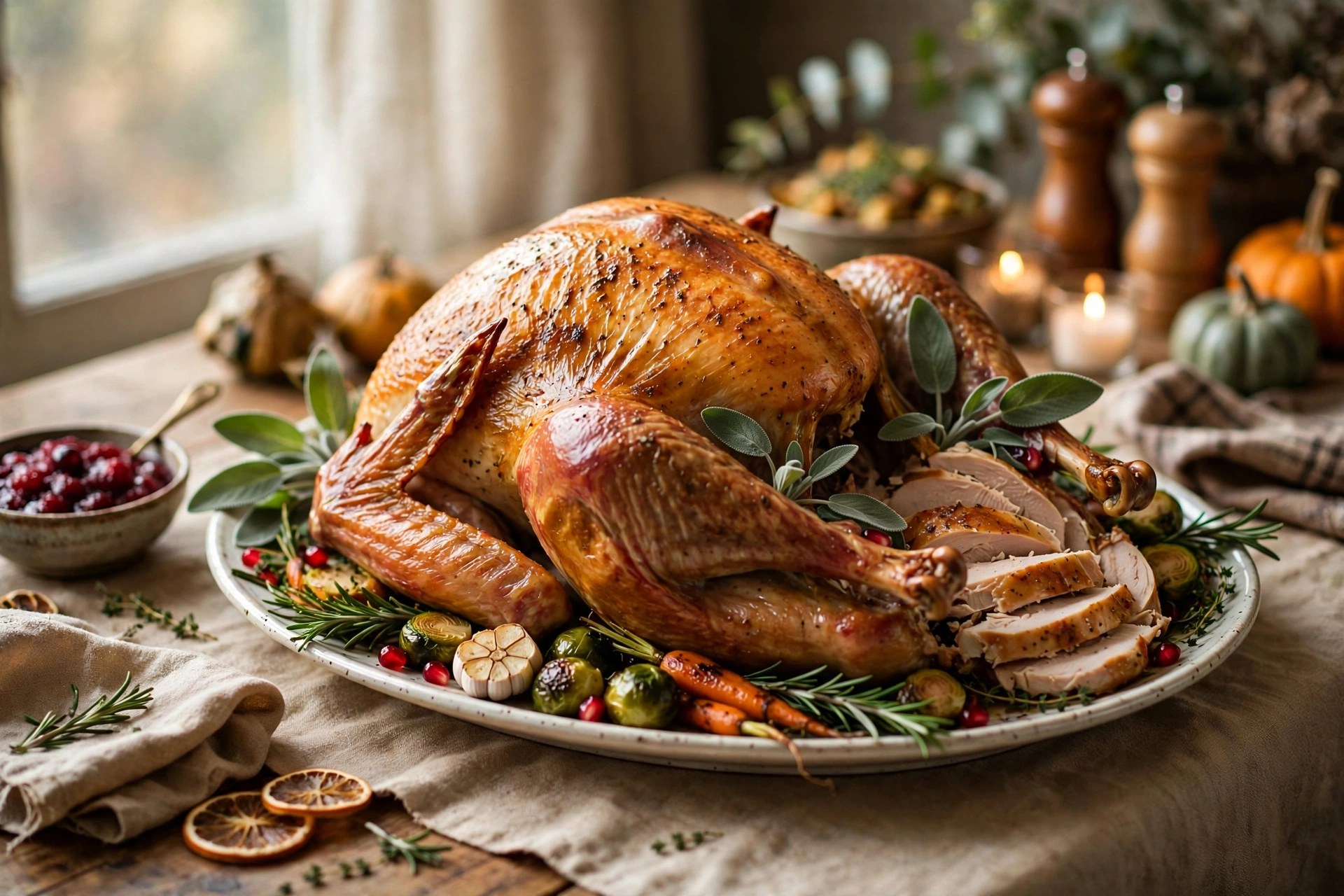
Image: AI-generated. LoCarb recipe pages use AI product images — see the note at the bottom of this page.
What you're saving: the regular version of this dish runs about ~0g per serving. This version: ~0g (turkey is turkey). Both figures are estimates — ours from the ingredients' published data, the classic's from standard label and reference values for the traditional dish.
Ingredients
- 1 whole turkey, 12-14 lb, thawed, giblets removed (save them for the gravy)
- Kosher salt — 1 tsp per pound of turkey (about 4 Tbsp for a 12-14 lb bird)
- 1 tsp black pepper
- 8 Tbsp (1 stick) softened butter
- 2 Tbsp fresh sage, finely chopped (or 2 tsp dried)
- 1 Tbsp fresh thyme leaves (or 1 tsp dried)
- 1 Tbsp fresh rosemary, finely chopped (or 1 tsp dried)
- 3 cloves garlic, grated or pressed
- Zest of 1 lemon
- 1 onion, quartered, and the lemon you zested, halved — for the cavity
- Kitchen twine
How to make it
Nobody needs a low-carb conversion for turkey. Turkey is meat, salt, and heat — it was compliant before compliance was a word. What turkey needs is a method, because the difference between a bird people talk about all year and one they politely chew is four things: salt applied early, butter under the skin, a thermometer instead of a clock, and a rest nobody is allowed to shorten. This is that method, written down plain, the way a method should be.
The day before (24–48 hours ahead)
- Salt the bird. Pat the turkey completely dry. Sprinkle the kosher salt and pepper over every surface — top, bottom, inside the cavity, under the wings. More of it will stay on than you expect; that’s fine.
- Fridge, uncovered. Set the bird on a rack over a sheet pan (or in its roasting pan) and refrigerate uncovered. The cold air dries the skin while the salt seasons the meat and helps it hold its juices. This is the step that makes the skin roast shatter-crisp instead of rubbery.
Roasting day
- Herb butter. Mash the softened butter with the sage, thyme, rosemary, garlic, and lemon zest. Loosen the skin over the breast with your fingers — go slow, it tears if you rush — and push about two-thirds of the butter under the skin, spreading it over the breast meat. Rub the rest over the outside.
- Fill and tie. Put the onion quarters and lemon halves in the cavity (aromatics, not stuffing — the stuffing bakes separately, where it can actually get crisp edges). Tie the legs together.
- Temper. Leave the bird on the counter 45–60 minutes while the oven heats to 425°F. A fridge-cold bird roasts unevenly.
- Roast hot, then low. Set the turkey breast-up on a rack in the roasting pan. Roast at 425°F for 30 minutes, then drop to 325°F until done. Save every drop of pan juice — that’s the gravy.
- Cook to temperature, not time. Start checking early. The bird is done when the breast reads 155–160°F and the thickest part of the thigh reads 160–165°F on an instant-read thermometer — carryover heat during the rest brings both safely to 165°F and beyond, without cooking the breast into sawdust on the way. Rough guide at 325°F after the hot start: 12 lb ≈ 2¾–3 hours total, 14 lb ≈ 3¼–3½ hours. The thermometer outranks the guide, every time.
- Rest 30–45 minutes, tented with foil. Non-negotiable, and this is where Thanksgiving turkeys are won and lost. Carve a rested bird and the juices stay in the meat; carve it hot and they run out on the board while everyone watches. Use the resting time to make the gravy and finish the sides.
Carving note: take the breast halves off the bone whole, then slice across the grain. It looks less like a magazine cover and eats twice as juicy — the right trade.
Make ahead / leftovers: the brine is the make-ahead. Leftover turkey keeps 4 days in the fridge; save the carcass — it makes the stock that makes next year’s gravy (and tomorrow’s soup).
Troubleshooting: skin browning too fast → tent loosely with foil for the middle stretch. Breast done way before the thighs → that’s what the foil is for; shield the breast and keep roasting. Dry breast anyway → it went past 165°F in the oven; next year pull at 155°F and trust the rest. (This year: the gravy exists for a reason.)
The honest trade-off
The way I do it
Dry brine, not wet. A wet brine means a bucket of salt water taking over the fridge for two days and meat that can eat steamed; a dry brine is salt, air, and time — the skin dries while the salt works, so the bird roasts instead of simmering in its own juices, and the drippings stay concentrated for gravy.
Even lower carb
There's nothing to swap. Turkey, salt, butter, and herbs were never the carb problem — the sides were. That's the whole point of the menu around this bird.
What it costs: Time and fridge space, honestly stated: the brine needs 24 hours (48 is better) and the bird sits uncovered, so clear a shelf. Everything else on the Thanksgiving menu was engineered around this bird being exactly what it is.
Nutrition estimate
Estimated net carbs: ~0g (turkey is turkey). That's an estimate built from the ingredient manufacturers' published data — not a lab-tested nutrition panel.
Made with the LoCarb mix? When the mixes launch, they'll be right here.
Nutrition note: carb figures on this page are estimates derived from data published by the manufacturers of the ingredients used. Brands and substitutions change the numbers — check your own ingredients and do your own research for exact counts.
Image note: the recipe images on this site are AI-generated product images, created to show you the dish — they are not photographs of a finished plate. Every recipe here is a real formulation from our test kitchen notes; when we publish photos from an actual test cook, they'll be labeled as such.