Side Dishes · Est. net carbs: ~3g per 1/4 cup (estimate) · Makes: About 2 cups (8 servings of 1/4 cup)
Sugar-Free Cranberry Sauce (Whole Berry, 15 Minutes)
Real cranberry sauce — tart, bright, gelled the way cranberry sauce should be — with allulose instead of the cup-plus of sugar the classic recipe runs on. About 3g net carbs a serving instead of 24g of sugar.
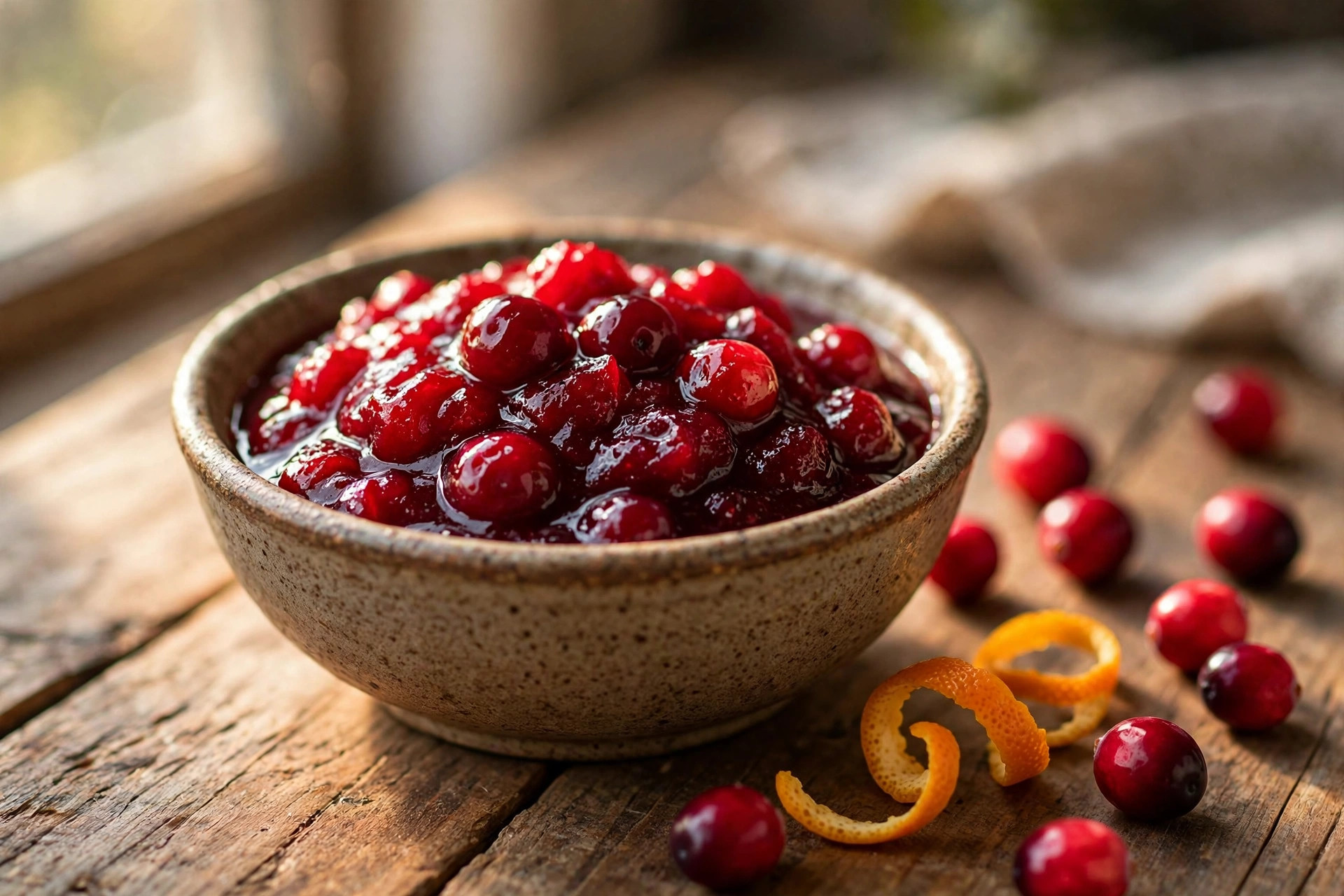
Image: AI-generated. LoCarb recipe pages use AI product images — see the note at the bottom of this page.
What you're saving: the regular version of this dish runs about ~26g per 1/4 cup. This version: ~3g per 1/4 cup (estimate). Both figures are estimates — ours from the ingredients' published data, the classic's from standard label and reference values for the traditional dish.
Ingredients
- 12 oz fresh or frozen cranberries (one standard bag), picked over
- 3/4 cup water
- 1 cup allulose (granulated) — start with 3/4 cup if you like it properly tart
- Zest of 1 orange, plus 1 Tbsp of its juice (optional, but it tastes like the holidays)
- Pinch of salt
- Optional: 1 cinnamon stick, or 1/2 tsp vanilla stirred in at the end
How to make it
Cranberry sauce is the easiest win on the Thanksgiving table, because cranberries were never the problem. A quarter cup of the canned jellied standard carries about 24 grams of sugar — while the berries themselves are one of the lowest-sugar fruits grown. The sugar is an addition, not an ingredient. So we make the sauce the old way, minus the addition.
- Rinse the berries and pick out any soft or shriveled ones. Frozen berries go in as-is.
- Combine the cranberries, water, allulose, orange zest and juice (if using), salt, and the cinnamon stick in a medium saucepan.
- Simmer. Bring to a boil over medium-high heat, then drop to a steady simmer. In about 10–12 minutes the berries will start popping — stir now and then, and press a few against the side of the pan if you like a smoother sauce.
- Watch the set. When most berries have burst and the sauce coats a spoon, pull it off the heat. It will look looser than the finished sauce — cranberries are full of pectin, and it gels as it cools. Pull the cinnamon stick; stir in the vanilla if you’re using it.
- Taste and adjust while warm. Too tart is fixable (another spoonful of allulose dissolves right in); too sweet is not. Aim a shade tarter than you think — flavors mellow as it chills.
- Chill at least 2 hours, ideally overnight. Make it up to a week ahead; it keeps beautifully and the flavor improves.
Storage: covered in the fridge, up to 2 weeks. Freeze up to 3 months.
Jellied-style variation: if your table demands the can-shaped slice, strain the hot sauce through a fine sieve, pressing hard on the solids, pour into a mold or a clean can, and chill overnight. Same sauce, formal dress.
Troubleshooting: sauce stayed thin → it either didn’t simmer long enough for the pectin to wake up, or it was judged hot; recheck after a full chill before changing anything. Gritty texture → a different sweetener got used; erythritol can recrystallize in this sauce, which is exactly why this one is allulose.
The ready-made situation, honestly: there is a clean-label no-added-sugar jar out there (Appalachian Naturals, out of Massachusetts). We have not personally taste-tested it, and at the time of writing it isn’t sold on Amazon, so there’s no link here — if that changes, we’ll add one and keep this same disclosure attached.
The honest trade-off
The way I do it
Allulose. It dissolves clean, doesn't recrystallize in a gelled sauce, and the berries' own pectin does the setting — no gelatin, no starch. Cranberries are one of the lowest-sugar fruits there are; nearly all the carbs in the canned stuff are sugar somebody added, and we just don't add it.
Even lower carb
Drop to 3/4 cup allulose and lean on the orange zest and cinnamon. The sauce goes more tart than sweet — some people (Mike included) think that's how it should have tasted all along.
What it costs: Skip the xylitol versions you may see elsewhere, even though xylitol tastes great here. It is genuinely deadly to dogs, and Thanksgiving tables have dogs under them. Allulose costs a little more per bag and carries no such risk.
Nutrition estimate
Estimated net carbs: ~3g per 1/4 cup (estimate). That's an estimate built from the ingredient manufacturers' published data — not a lab-tested nutrition panel.
Made with the LoCarb mix? When the mixes launch, they'll be right here.
Nutrition note: carb figures on this page are estimates derived from data published by the manufacturers of the ingredients used. Brands and substitutions change the numbers — check your own ingredients and do your own research for exact counts.
Image note: the recipe images on this site are AI-generated product images, created to show you the dish — they are not photographs of a finished plate. Every recipe here is a real formulation from our test kitchen notes; when we publish photos from an actual test cook, they'll be labeled as such.