Breads & Baking · Est. net carbs: ~6g per slice (crust only, 8 slices, estimate) · Makes: 1 single 9-inch crust (8 slices)
Low-Carb Pie Crust (Flaky, Rollable, Real Pastry)
A pie crust that rolls, crimps, and bakes up flaky — built on a minority of real flour carried by vital wheat gluten and oat fiber, with cold butter doing the layering. About half the carbs of a regular crust, and it tastes like the real thing because most of it is.
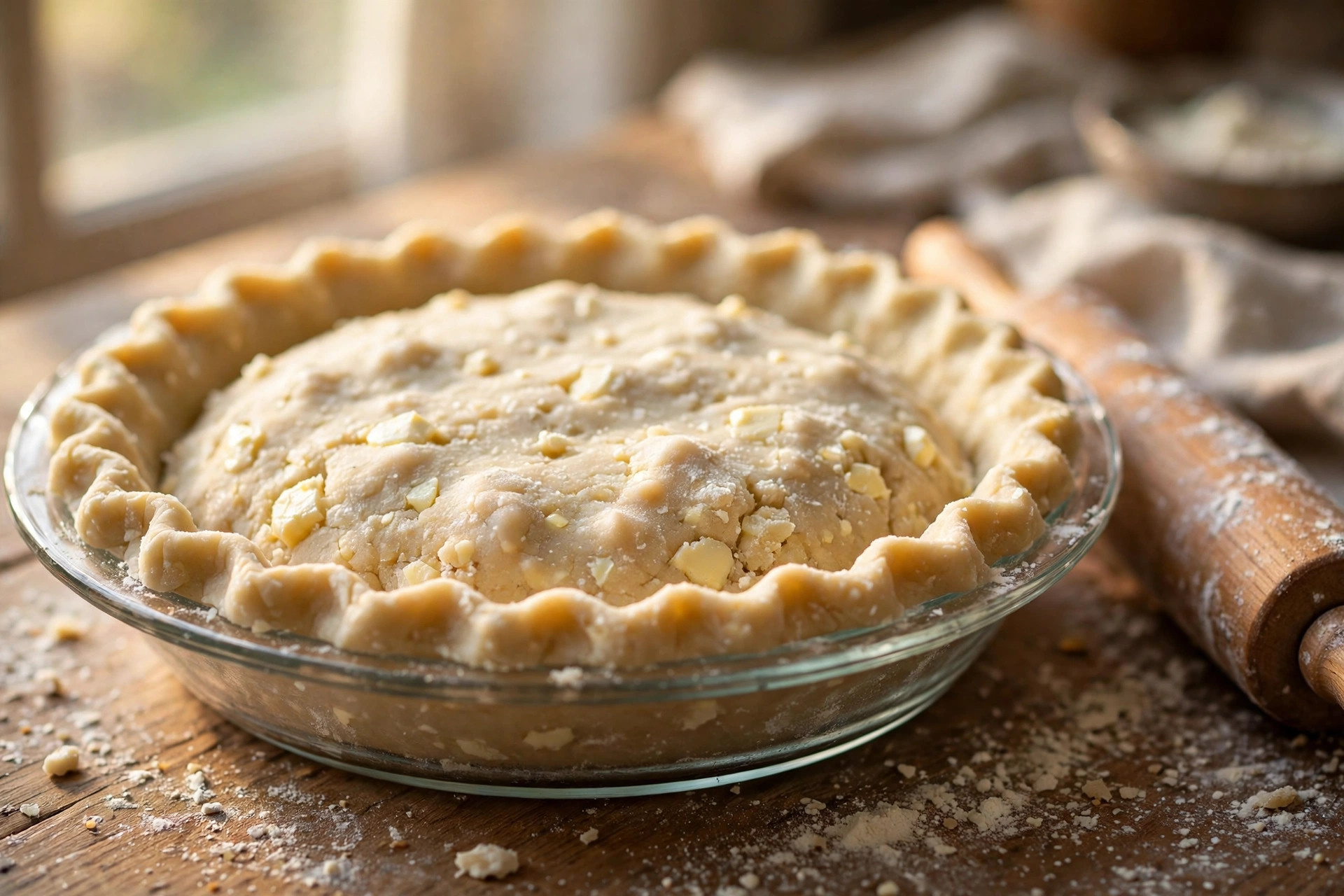
Image: AI-generated. LoCarb recipe pages use AI product images — see the note at the bottom of this page.
What you're saving: the regular version of this dish runs about ~13g per slice. This version: ~6g per slice (crust only, 8 slices, estimate). Both figures are estimates — ours from the ingredients' published data, the classic's from standard label and reference values for the traditional dish.
Ingredients
- 1/2 cup all-purpose flour (the real flour stays — see the tradeoff box)
- 1/4 cup vital wheat gluten
- 1/2 cup oat fiber
- 1 tsp granulated allulose (or a pinch of sugar)
- 1/2 tsp fine salt
- 8 Tbsp (1 stick) cold butter, cut into small cubes
- 1 Tbsp vodka or 1 tsp apple cider vinegar (optional — flake insurance)
- 3-5 Tbsp ice water
How to make it
Every low-carb pie crust fails one of two ways: it crumbles like wet sand, or it bakes up like a cracker wearing a pie costume. Both failures come from the same decision — taking the flour all the way out and asking a substitute to do a job it can’t do. This crust takes a different deal: real flour, demoted. Half a cup instead of a cup and a quarter, with vital wheat gluten providing the elasticity that makes dough rollable and oat fiber providing bulk that carries almost no digestible carb. The butter — a full stick, kept cold, left in visible pieces — does the flaking, same as it always has.
- Mix the dry. Whisk the flour, vital wheat gluten, oat fiber, allulose, and salt in a wide bowl.
- Cut in the butter. Rub the cold butter cubes in with your fingers (or pulse in a processor) until the mix is mostly coarse crumbs with a good number of pea-sized butter pieces left. Those pieces are the flake — do not work them away.
- Bring it together. Sprinkle the vodka or vinegar over, then the ice water a tablespoon at a time, tossing with a fork until the dough just holds when pressed. It should look shaggy, not smooth. A smooth dough is an overworked dough, and overworked dough is tough.
- Chill 1 hour, wrapped. The butter has to firm back up and the flour needs to hydrate. This rest is not optional — warm butter melts into the flour instead of layering, and melted butter makes a greasy crust, not a flaky one.
- Roll between parchment. This dough is sturdier than most low-carb doughs but still benefits from the parchment sandwich. Roll from the center outward to a 12-inch circle, about 1/8 inch thick. Peel the top sheet, use the bottom sheet to lift and flip the dough into a 9-inch pie plate, then peel that sheet away.
- Fit and crimp. Ease the dough into the corners without stretching it (stretched dough shrinks back in the oven — that’s where shrunken crusts come from). Trim to a 1/2-inch overhang, fold it under, and crimp the edge. Chill the shaped crust 30 minutes while the oven heats to 375°F.
- For a filled pie (like pumpkin): par-bake. Line the chilled crust with parchment, fill with pie weights or dry beans, and bake 10 minutes at 375°F. Remove the weights, prick the bottom a few times with a fork, bake 5 more minutes, then fill and finish per the pie’s recipe.
- For a no-bake filling: blind-bake fully. Same weights setup, 15 minutes at 375°F; remove the weights and bake 8–10 minutes more, until the bottom is dry and the edges are golden. Cool completely before filling.
Double crust note: double everything for a top crust. Roll the top, lay it over the filled pie, trim, crimp the two edges together, cut 4–5 steam vents, and brush with a beaten egg for the shine.
Make ahead: the dough disk keeps 3 days in the fridge or a month in the freezer (thaw overnight in the fridge). A shaped, crimped crust freezes beautifully in its plate — blind-bake it straight from frozen, adding 3–4 minutes.
Troubleshooting: crust shrank → the dough was stretched into the plate or skipped the second chill. Crust is tough → overmixed after the water went in; stop at shaggy. Soggy bottom on a filled pie → the par-bake was skipped or the filling went into a warm crust; the crust should be room temperature or cooler, and the weights step is what sets the base. Edge browning too fast → this crust’s real flour browns like real pastry, because it is; tent the rim with foil for the back half of a long bake.
This is the crust the pumpkin pie is built on — and the savory version (skip the allulose, add a pinch of black pepper) is the pot pie and quiche crust, for the record.
The honest trade-off
The way I do it
Half a cup of real flour stays in. Pie crust flavor and flake come from flour and butter; the vital wheat gluten supplies the stretch for rolling and the oat fiber supplies the bulk, so the flour can be the minority ingredient instead of the whole show. One honest warning that belongs on the label: the gluten makes this crust low-carb, NOT gluten-free.
Even lower carb
Cut the flour to 1/3 cup and add 2 Tbsp more oat fiber. Saves roughly a gram a slice.
What it costs: About half the carbs of a regular crust (which runs 12-15g a slice), not near-zero. Pastry is pastry. The dough also gets a little more fragile as the flour drops — the stricter version rolls between parchment or not at all.
Nutrition estimate
Estimated net carbs: ~6g per slice (crust only, 8 slices, estimate). That's an estimate built from the ingredient manufacturers' published data — not a lab-tested nutrition panel.
Made with the LoCarb mix? When the mixes launch, they'll be right here.
Nutrition note: carb figures on this page are estimates derived from data published by the manufacturers of the ingredients used. Brands and substitutions change the numbers — check your own ingredients and do your own research for exact counts.
Image note: the recipe images on this site are AI-generated product images, created to show you the dish — they are not photographs of a finished plate. Every recipe here is a real formulation from our test kitchen notes; when we publish photos from an actual test cook, they'll be labeled as such.